Indicators
Health indicators tracked across the 38 countries and areas of the WHO Western Pacific Region. Each card summarises a single indicator with its latest headline value where available.
Human Cases of Rabies

of rabies were reported in the Western Pacific region between 2016 and 2025.
Hepatitis B mortality
in hepatitis B-related deaths from 2015 to 2024 (530,000 deaths), representing 48% of the global burden.
Strengthening regulations on e-cigarettes

ban or regulate e-cigarettes (as of 2024).
Number of nurses

of the world's nurses (30% of the global total) are from the Western Pacific Region
Continued increase in malaria cases in the Western Pacific Region

in malaria cases from 2023 to 2024.
Zero-dose children

children in the Region lack access to or are never reached by routine immunization services in 2024
TB Incidence Rate

population was the estimated TB incidence for the Region in 2024. (95% uncertainty interval: 112–152)
People requiring interventions against neglected tropical diseases

in the Western Pacific Region requiring intervention against NTDs in 2024
UHC service coverage index and Financial hardship

have higher UHC SCI and lower Financial hardship compared to the Regional average
Treatment coverage of HIV

of people living with HIV in the Region received antiretroviral treatment in 2024, increased from 12% in 2010.
HPV Vaccination Coverage
of girls in the Region aged 9 to 14 years were vaccinated for HPV
Prevalence of diabetes

aged 30 years and above in the region have diabetes
Human Cases of Rabies

of rabies were reported in the Western Pacific region between 2013 and 2024
Exclusive breastfeeding for the first six months of life

regional prevalence of exclusive breastfeeding for the first six months of life (latest estimates, 2018–2024).
Treatment of hepatitis B remain sub-optimal

people diagnosed with hepatitis B have been treated
Diagnosis of hepatitis B remain sub-optimal

people living with hepatitis B have been diagnosed
Deaths by drowning

are caused by drowning in the Western Pacific every year.
Strengthening regulations on e-cigarettes
ban or regulate e-cigarettes (as of 2022)
Estimated Malaria Incidence

in the estimated number of malaria cases in the region between 2000 and 2023.
Continued increase in measles cases in the Western Pacific Region
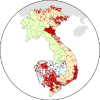
increase in measles cases from 2022 to 2024
Declining deaths due to Tuberculosis
in TB deaths in the Western Pacific between 2000-2023
Sexual Harassment in Asia and the Pacific

of women have experienced sexual harassment in Asia and the Pacific
Cervical Cancer in Western Pacific Region

were diagnosed, and 74 900 women died from cervical cancer in the Region (2020).
Human Cases of Rabies
of human rabies were reported in the Western Pacific region between 2013 and 2023.
Exclusive breastfeeding for the first six months of life

under 6 months were exclusively breastfed in the region between 2016 and 2022.
Deaths by Drowning

are caused by drowning in the Western Pacific every year.
Number of children not protected by e-cigarette regulations

children (< 19 yrs) in the region are living in countries without any e-cigarette regulations.
Reported Malaria Incidence
in the reported number of malaria cases in the region between 2000 and 2022.
Increasing measles cases in the Region

increase in measles cases from 2022 to 2023
Declining deaths due to Tuberculosis

TB deaths in the Western Pacific between 2000-2022
Increasing prevalence of Edentulism in the Region

of cases of edentulism (tooth loss) among people aged 20 years or more.
Unpaid care work by gender

hours per day is spent by women in unpaid care work compared to men in Asia and the Pacific.
Improved health service coverage, at a cost

coverage increased to 79 from 49 in 2000, but almost 20% faced catastrophic health expenditures.
Non-partner sexual violence (NPSV) in lifetime

aged 15 years and older experienced NPSV at least once in their lifetime.
Intimate & non-partner sexual violence in lifetime

have experienced one or both of these forms- IPV or NPSV at least once in their lifetime
Intimate partner violence (IPV) in past year

aged 15-49 experienced IPV in the form of physical and/or sexual violence in the past 12 months
Intimate partner violence (IPV) in lifetime

aged 15-49 experienced IPV in the form of physical and/or sexual violence at least once
Deaths by drug-resistant bacterial infections

may be caused by drug-resistant bacterial infections in the Western Pacific between 2020-2030.
Proportion of Death due to Rabies
of fatal rabies cases from 2019-2021 in the Philippines.
Exclusive breastfeeding under 6 months

under 6 months are exclusively breastfed in the Region.
Prevalence of HBsAg in less than 5 year olds (%)

in estimated prevalence of HBV infections among children in the region between 2000 and 2019.
Number of Drowning Deaths
in drowning deaths in the Region between 2000 and 2019 (from 120 000 to 74 000 deaths per year).
Estimated foodborne illness

reported annually, from unsafe food in the Western Pacific Region.
Estimated Malaria Incidence
in estimated number of malaria cases in the Region between 2000 and 2021.
Zero-Dose Children

in zero-dose children in the Western Pacific Region from around 960 000 in 2019 to 1.4 million in 2021.
TB Incidence and Number of Deaths

in TB deaths and 6.5% increase in TB incidence in 2021 compared to the previous year
women in 2000,

die in pregnancy and childbirth in the Region.
countries
eliminated the disease by 2019, as validated by WHO.
estimated number of people

living with HIV receiving treatment in the Western Pacific Region in 2021.
median number per 100K population

of mental health nurses and psychiatrists in the Region, respectively.
human deaths annually
is estimated to be caused by rabies over 150 countries, with 95% of cases occurring in Africa and Asia.
per 100 000 population

for WPR in 2019, a global estimate, representing a 15% reduction from the age-standardized suicide rate of 8.4 per 100 000 population in 2013.
Hepatitis B and C treatment uptake
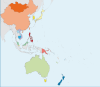
of people living with Hepatitis B and C, respectively, have received treatment by end of 2019 in the Western Pacific.
Transitions from an ageing to aged societies
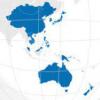
need less than 25 years to transition from ageing to aged societies
Healthy life expectancy at birth

the average healthy life expectancy in 2019, an increase in 4 years the past two decades
No indicators match — try a different search term or clear the filters.